
PERIPLUM Articles
A Shared Classroom | Teaching in Hà Nội
Travel & Culture
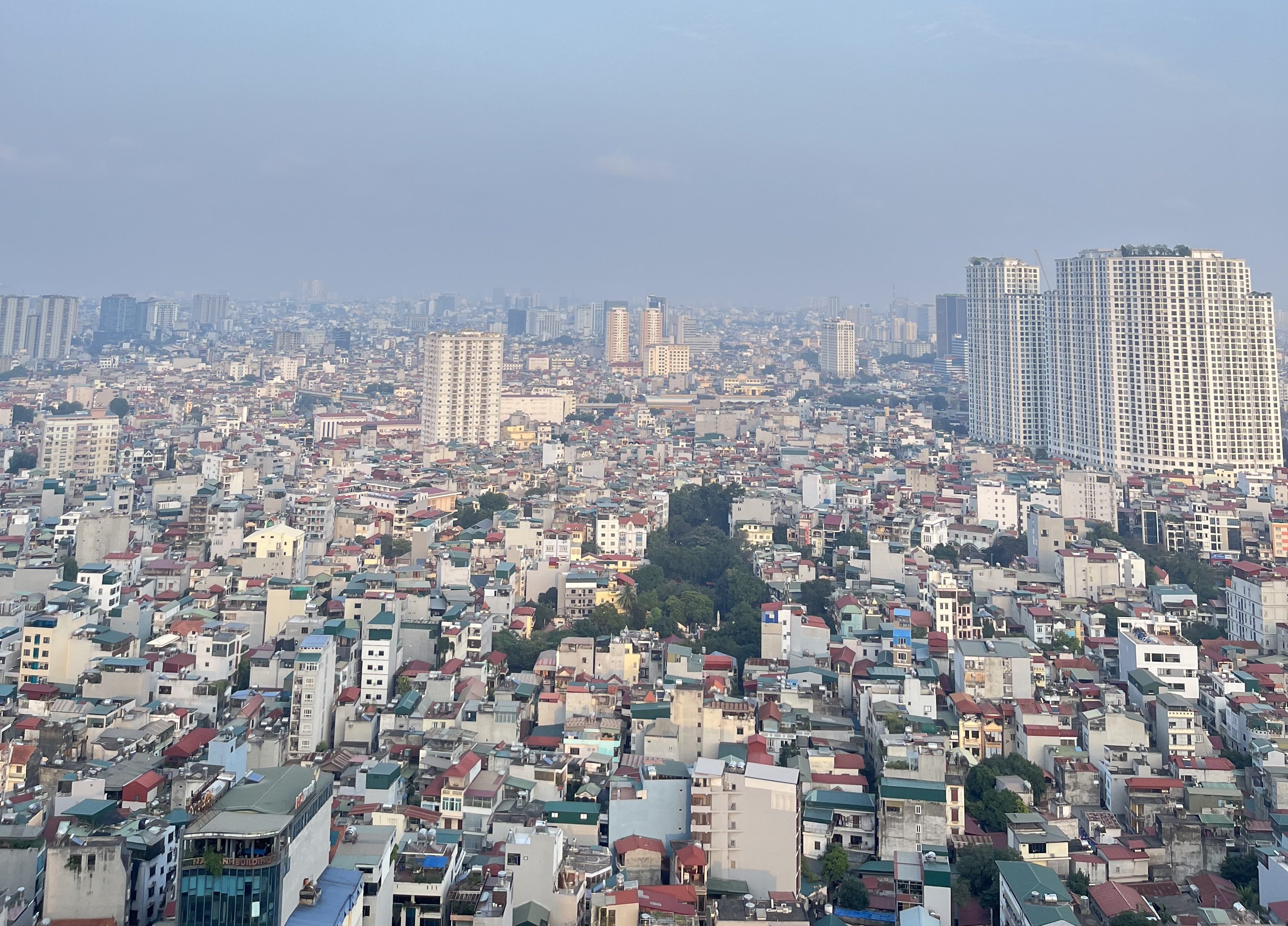
Between seven-thirty and eight o’clock each morning, all in unison across the city, flocks of motorbikes depart the rush hour, dive out of the roads and drive up short inclines into hundreds of school gates, greeted by a panoptic courtyard architecture and janitors holding wooden truncheons. In a near perfect synchronisation, they all rhythmically bang on barrel-shaped wooden drums that sound like a call to prayer signalling the start of the day’s play. Proceeding in intervals of thirty-five minute lessons, a rock-and-roll intensity begins: the school day in Hanoi.
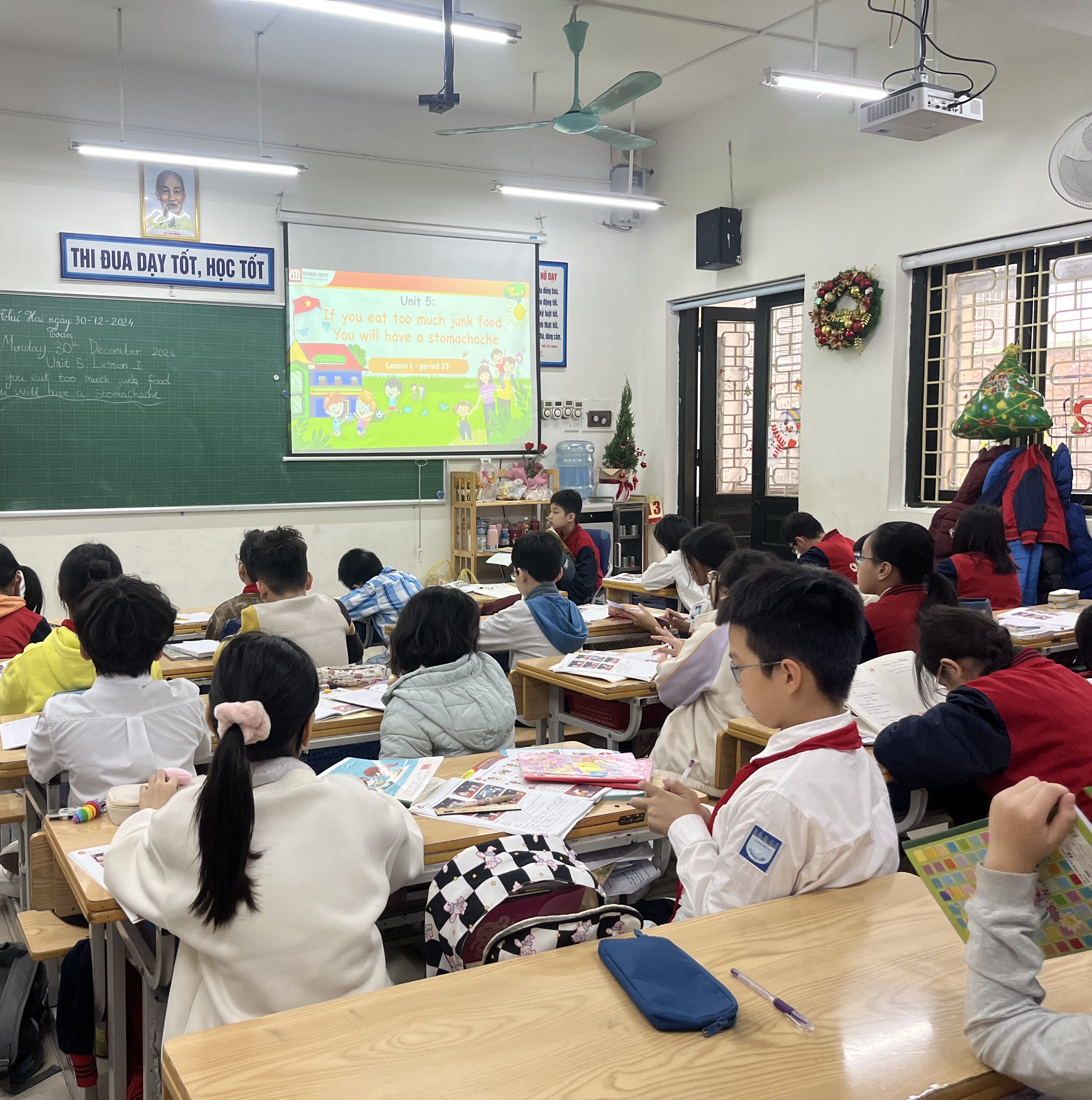
Up to fifty students pack into each classroom. If, as a teacher, you woke up feeling weary, the introductory noise soon whipped you into shape. What followed was a precise race against time; the students outweigh the minutes. This communal but fiercely competitive environment, coupled with a homogenised syllabus, posed the question of what exactly a teacher could do in such a short space of time. Across three years in Hanoi’s public schools, the personalities of students cut through all of this academic repetition, turning teacher into student with their aptitude and intelligence.
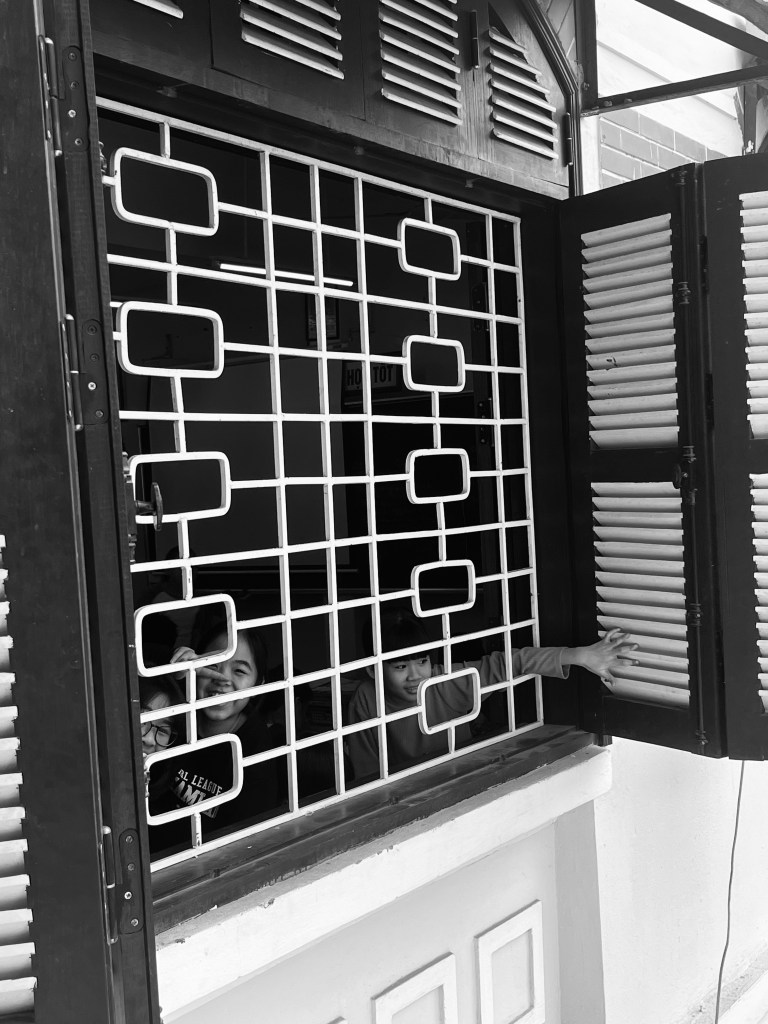
Nothing prepares the teacher for the sheer level of academic ingenuity; the syllabuses, after all, are by no means simple but do have to cater for all abilities. One Monday morning early in the school year I walked into my first class of the day, still trying to bond and gain the trust of my new class, to find a student reading Dickens’ A Tale of Two Cities in the original English. At that age my principal concern was whether to have my football socks above or below the kneecap; the lessons I’d planned for this grade 5 class weren’t going to teach her much. While the rest of the class set upon a task in their workbooks, as would happen towards the end of each lesson, this student, bored with the ease at which she could complete it, wanted instead to converse as freely as possible on a range of different topics. For the next school year, that’s what we did.
At the weekends, this ten-year-old student was part of an English-speaking debate group that discussed and wrote essays on social, political and philosophical ideas. Entirely of her own volition, and partly because she’d long ago mastered the grammar rules written on the blackboard, she would digress into topics such as free will, globalisation, and the pros and cons of a centralised government. It’s as though she’d transcended the rigidity of formal education, uncovering its limitations and tricks. My lasting memory of this girl was when I asked her what she wanted to be when she grows up. Expecting her not to have an answer, she said, ‘I haven’t thought about it too much, but perhaps what I’ll do first is study psychology at Harvard.’
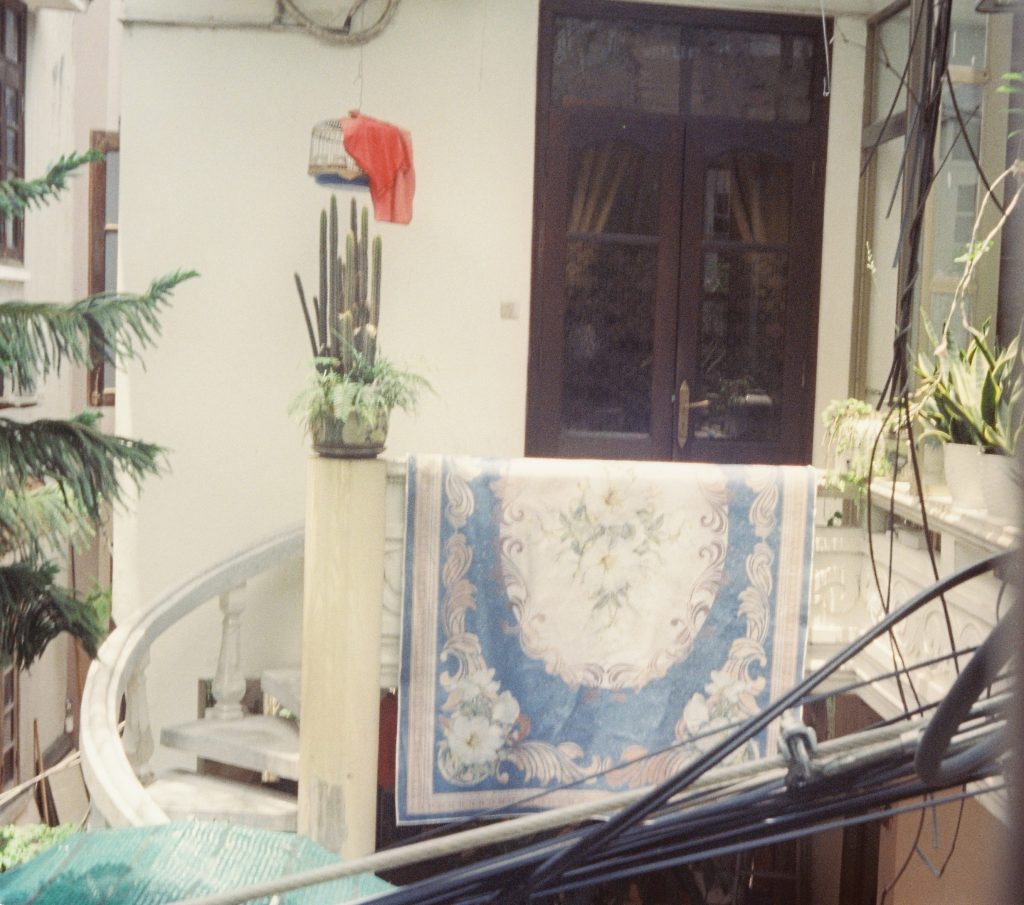
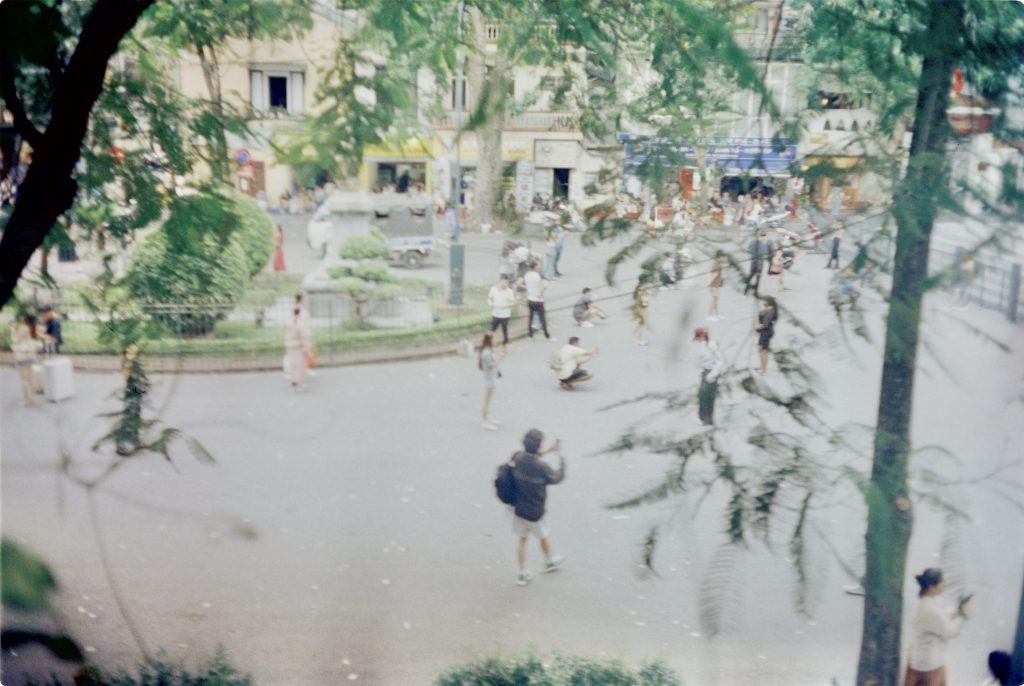
The Vietnamese classroom, bursting out at the best of times, became an inferno as summer approached. Becoming an extension of the city, with all the weather extremes for good measure, rooms bustle with overworked fans and anarchic chair rearrangements, as loud as the streets below. Although individuals created unforgettable moments, it was the collective learning environment, at times excessive and consuming, that proved startling. Studying goes on long into the evening, whether at private centres or at home. The modus operandi for the short time I spent teaching each student was to be a light counterpoint to their rigorous routines and high expectations.
The more rebellious students, however, of which there were plenty, ranging from disinterested to passionate about non-academic areas, were equally talented and admirable. Whether it be students drawing, making comic strips or discussing the previous night’s football, the younger students are, after all, learning English while still forming a full understanding of their mother tongue. Never would a student walk past a teacher without greeting them pleasantly and with enthusiasm; as the students reach grades four and five, many of them come to shake your hand and speak with the autonomous confidence of an adult.
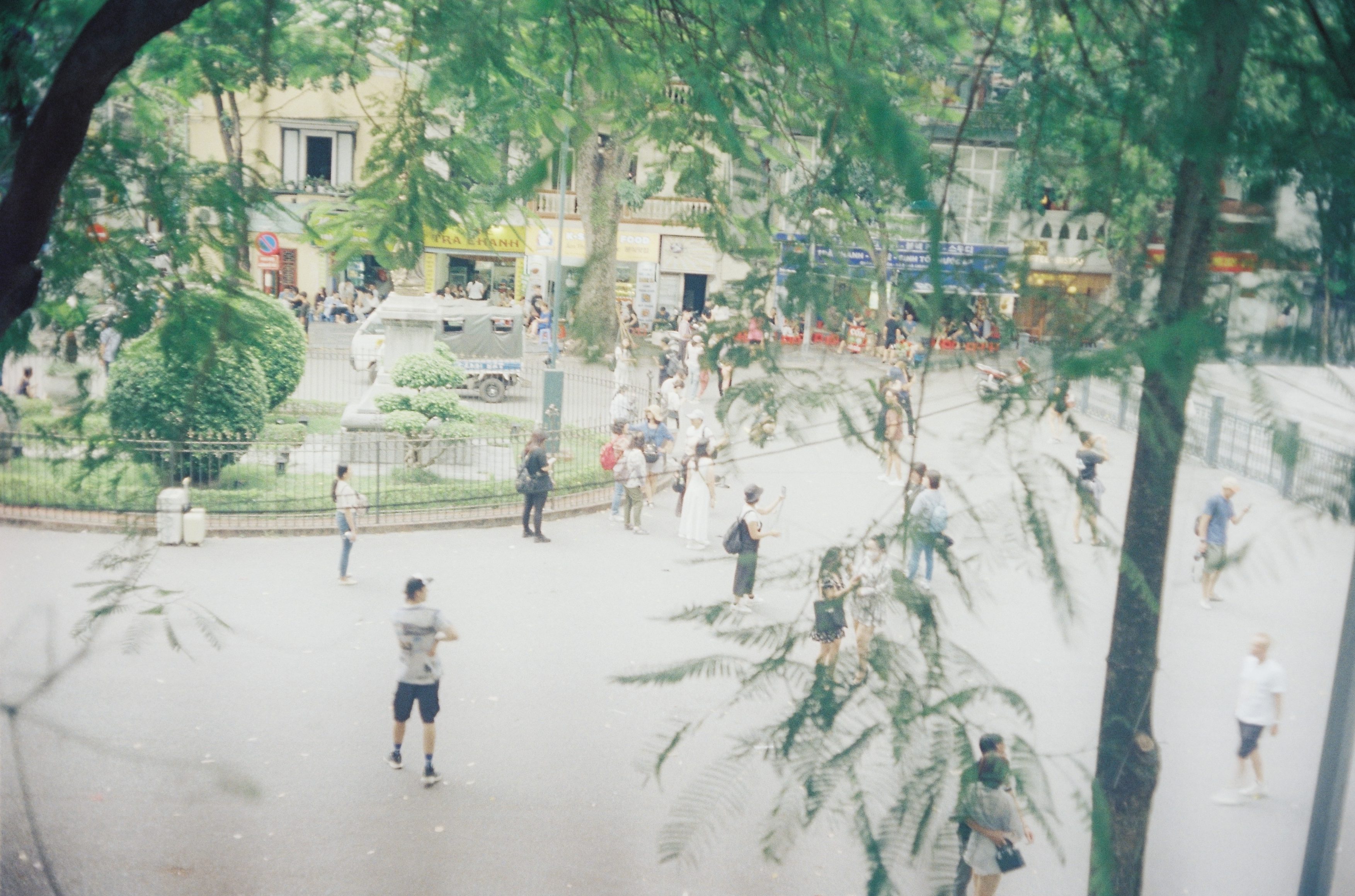
Often what occurred in the joints and cracks of the school year, such as near the Lunar New Year or lengthy summer break, gifted my watchful eye with gold. One such student had stood out all year for her diligence. It was May, the classrooms were sweltering, the end of year exams were finished and the general atmosphere was relaxed; there wasn’t a workbook in sight. With one week to go until the schools broke up for the three-month summer, and having already conquered every online game and quiz on the internet, the students were shown examples of typical British idioms and had to work together to uncover their meaning.
This level of English would never be in a language syllabus, and it was seen as nothing other than a light exercise to keep the students occupied. This particular student, who a few weeks prior had passed the written and oral exams with her eyes shut, had left her signature glasses firmly in their case ever since. All of a sudden, as we explored one idiom after another, I saw her eyes squint and those glasses promptly back in front of her eyes. She pulled her notebook out of her bag. For the next ten minutes, while her classmates guessed in jest the meaning of the likes of Over the Moon and Piece of Cake, this girl furiously wrote everything down as though it was the first lesson of the year. Idioms were something she hadn’t come across before, that was all. That fact, again at ten years old, was enough to spark her instincts.
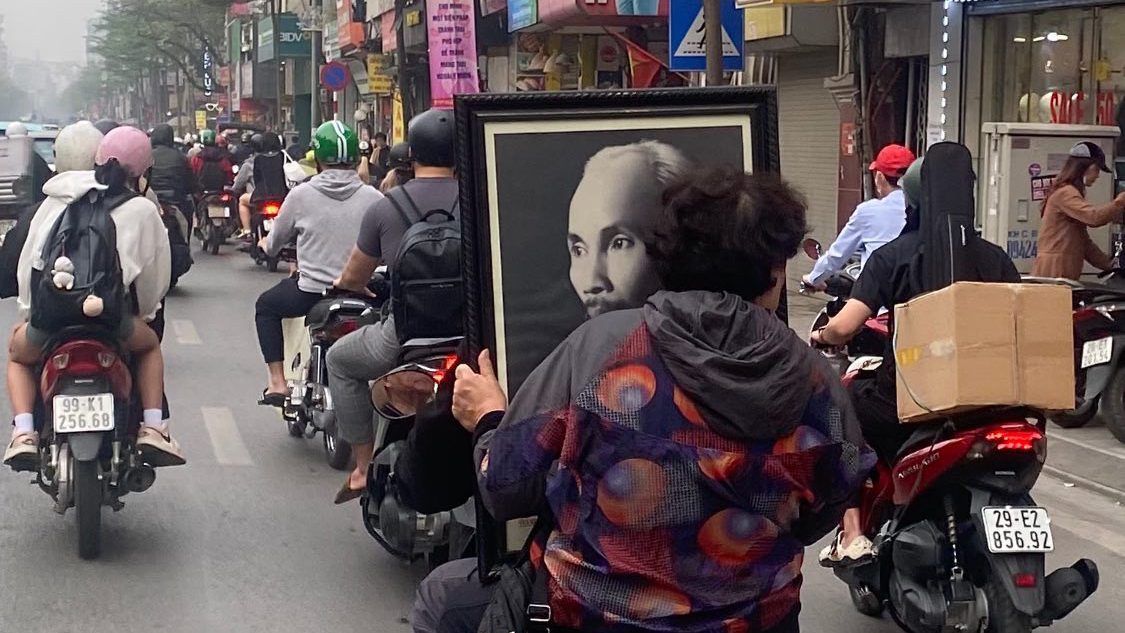
I began to doubt whether there should be a word for precocious in Vietnamese, as it would be so overused as to be devoid of meaning. But what distinguished each student and made them tick, academically or otherwise, remains a lesson in attentiveness and curiosity. Those students remain the benchmark, and they were just being themselves. There were never any lazily imposed hierarchies in my classrooms. It was entirely dialogical and shared. The everlasting image of the Vietnamese school environment remains not the intelligence of the students, which was evident, but their unceasing ability to surprise.
Hồ Chí Minh, the luminary revolutionary leader whose portrait watches over every classroom in the country, said, after Vietnam gained independence from the French in 1945 that ‘youth is the spring of society’:
The sprouting buds haven’t let him down.
Words and photography by Jonny Mumby.


Leave a Reply