
PERIPLUM Articles
The Roots of Periplum | Hà Nội
Travel & Culture
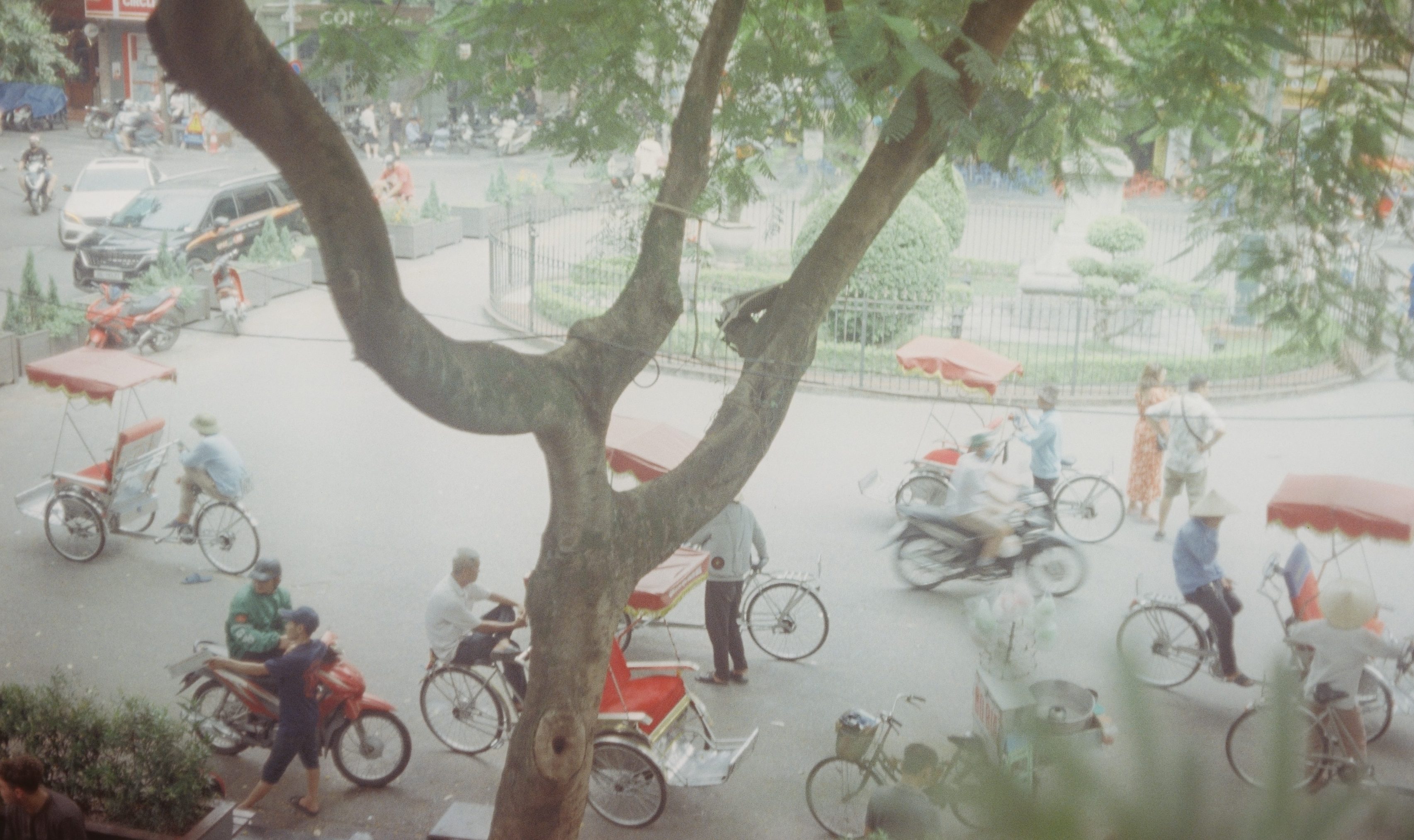
On the eve of summer’s arrival in Hanoi, forewarned by the odd torrential downpour but lured back in by April’s pleasant sunshine and blossoming lavender, one imagines a prolonged break far away from the intensity of the city’s encompassing everyday rhythms. Even during late spring people awaken long before the sun rises, setting a pace that seldom cools until nightfall. I was told just after I arrived, one January, that by June the city would be so hot and humid as to be uninhabitable, and to scarper to the coast as soon as the school year – and my teaching post – ended. The soupy phở that had soothed my throat during the winter soon began to drip from my brow and seep through my shirt. Little did I know that that summer, bound to the city because of work commitments, would form the foundation of my life going forward, and subsequently Periplum.
“What’s the first thing you look for when you arrive in a new place?” an interviewer asked David Bowie in 1979.
“Cafes and bars, and where to buy food,” he said.
There’s magic in this answer, but it’s a well-travelled one. Bowie’s seemingly effortless philosophy to life in a new place dwindles in the immediate, anxious reality. From trying to navigate the motorbikes swarming like hornets and the dense geometry of the slender, French-built architecture, to the ever-impending thunder and lightning followed by rain hitherto unknown to Europe and uncomfortable linguistic spluttering, only once these factors became second nature did the simplicity of Bowie’s dictum come to life. The immediate discomfort, however, is always too palpable to bear.
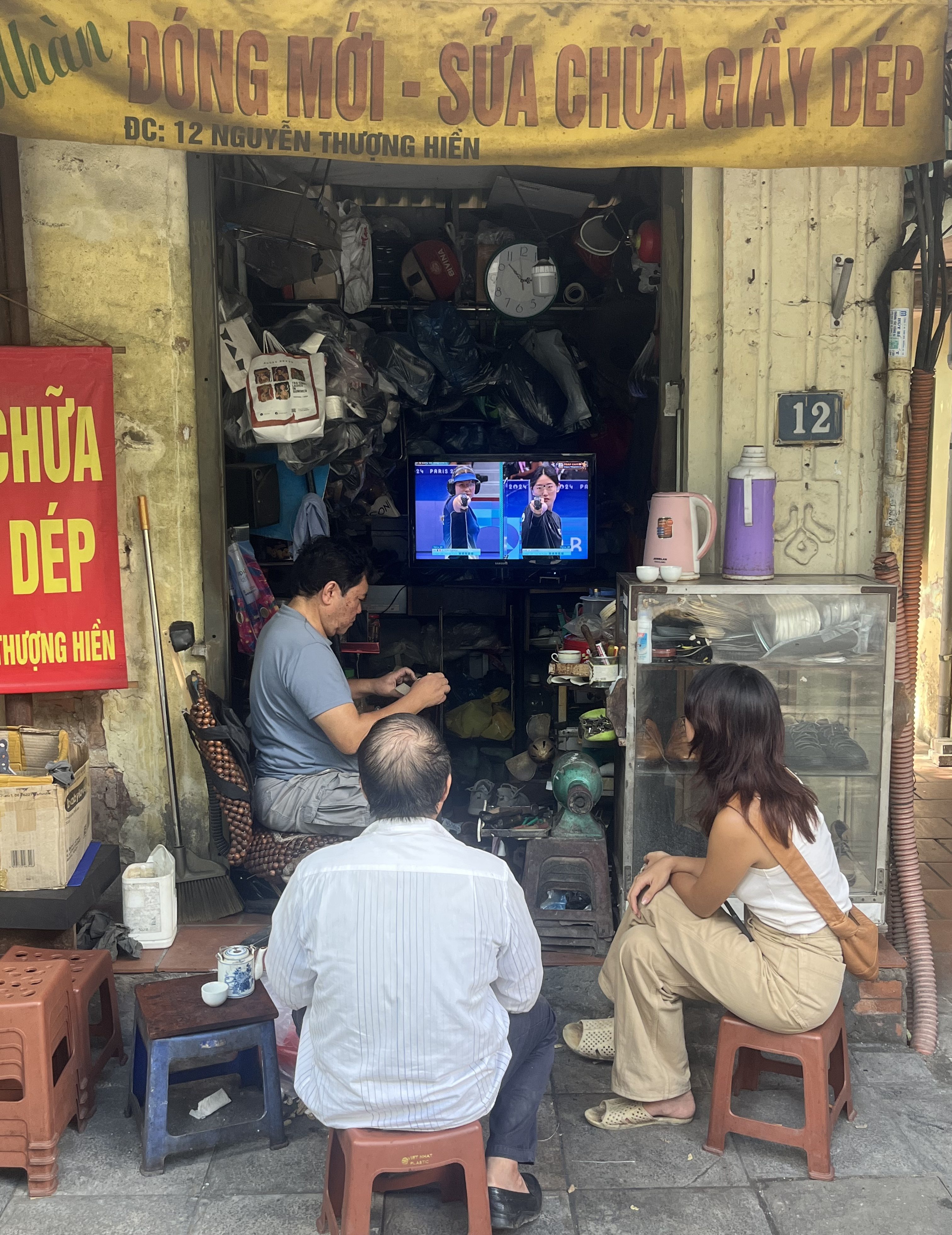
At a glance, the Vietnamese capital isn’t typically walkable in the way Tokyo or London is, nor does it engulf you in its vastness; what at first appears impenetrable later converges. Pavements are restaurants. Places are hidden away, inexpressively waiting to be discovered. As I reached my third or fourth month in the city, I realised that the irony was that these places can only be discovered on foot. The charm is in the pace, sounds, street food and drink, family homes with doors wide open: the communal atmosphere. I had to find a way to manipulate my surroundings, to create orientation points, anchors that would constantly navigate me into new territory as I found my feet in the organised chaos. Because they are sprawled across every district, I settled on bookstores and cafes.
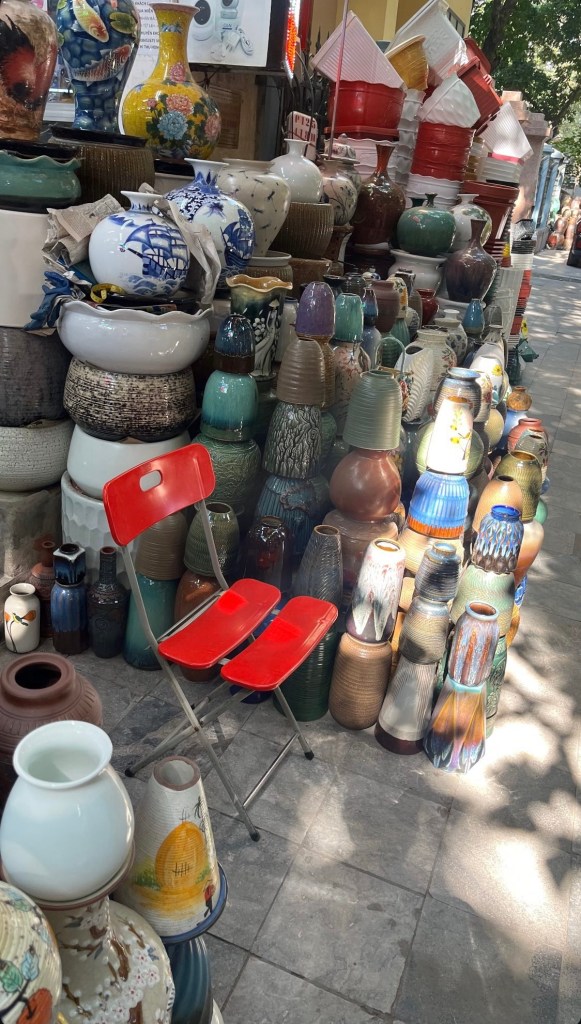
Periplum the word I had yet to read; its concept I was about to discover. I later learned that the word was coined by poet Ezra Pound in his chryselephantine epic The Cantos. Originating from the Greek word Periplus, Pound latinised it, taking the word on its own autological voyage. Its meaning derives from sailors circumnavigation, describing a perspective of discovery moving through an experience rather than looking at a fixed map from above. The principal point being that on a map you will scuttle through nothing but landmarks, whereas the intuitive, coasting sailor encounters something new every second.
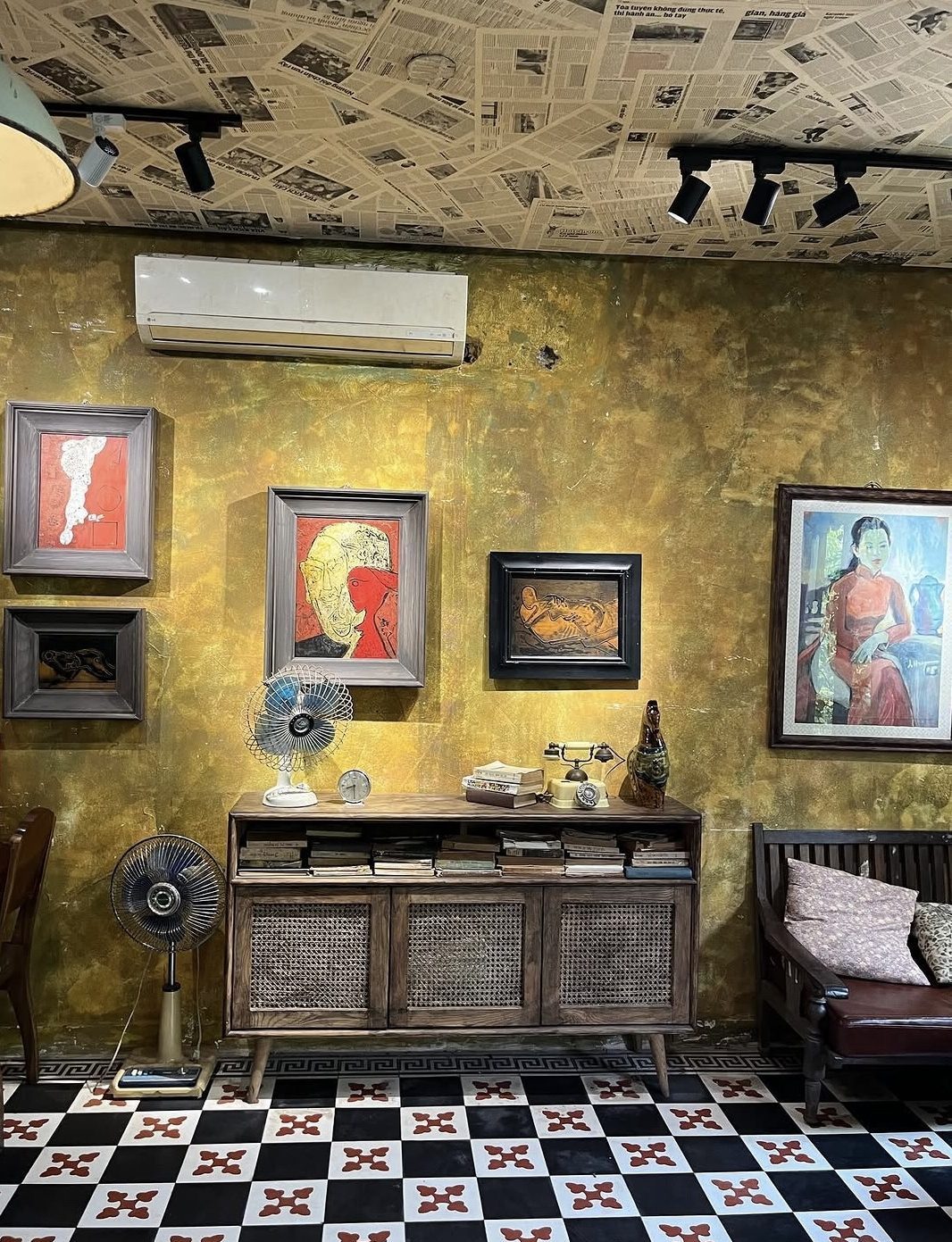
For the next three months, across June, July and August, I walked the city. I ventured beyond the areas I knew, such as Tay Ho, Hoan Kiem, and Ba Dinh. English in these areas, by and large, gets the foreigner out of jail. Where the city really opens up is in districts such as Hai Ba Trung, Cau Giay, Ha Dong, or Dong Da. Tiem Sach Sleepy Cat, a bookstore in the south-east district of Hong Ha, owned by a gifted piano teacher, has saved flocks of English readers with her hand-picked collection of literature, poetry and philosophy. Similarly The Cricket Project, a peaceful library and cafe overlooking Dong Da Lake with an unfathomably brilliant collection of books, is located far off the beaten track by city standards.
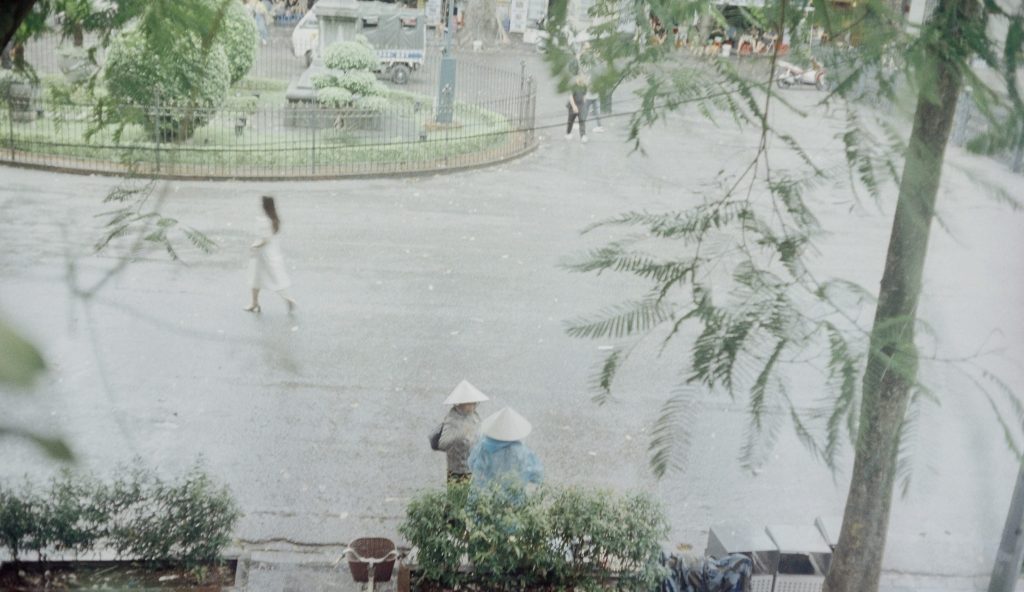
Bookstores and cafes not only became staples but opened the door to a world of unseen streets and areas of the city that otherwise would have been bypassed. A motorbike, especially in the aforementioned sweltering heat, is a necessity, but you can only see so much at that pace. While sheltering inside bookstores and cafes is wise at high noon, the minute and nuanced nature of Hanoi, or in fact any city, demands you take the time on foot. It had taken months to find my way to this conclusion. Salt coffee doubtless had something to do with it, but these orientation points were often only bait for further movement. What mattered was the journey towards it and the unpredictable sequence of surprises that occurred along the way.
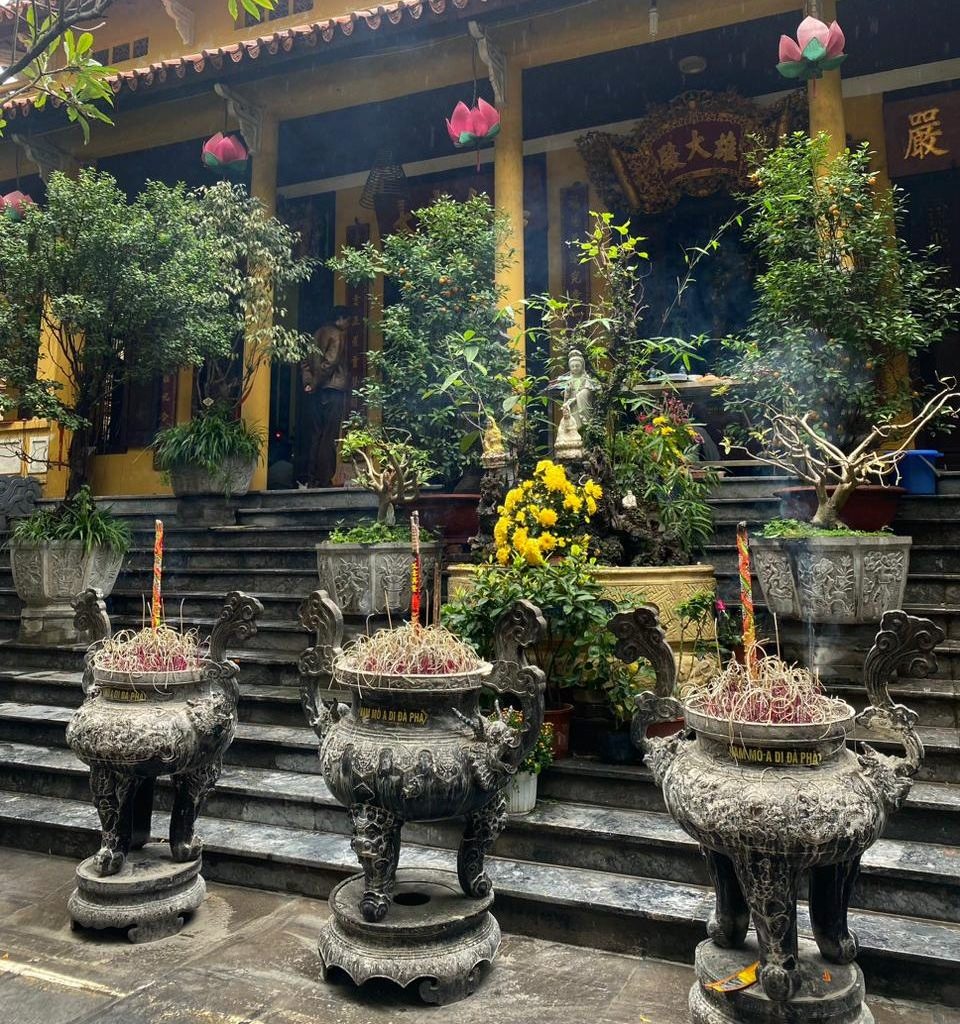
Clusters of buildings, districts and the impenetrable white sunlight reflecting a blinding tone against glass windows makes Hanoi a tough place to be; it is no holiday. Tourists tend to prefer the sea breeze of Da Nang and modernity of Saigon. In Hanoi, one’s surroundings tend to fragment into a Cubist arrangement of blocks. The weather is so impassive, hallucinatory, almost capricious. The Hanoians cannot wait for Autumn to cool the air. It is a harsh environment, but to walk alongside fruit sellers balancing their produce on bicycles – underneath the contrasting swanky office towers, traditional markets, flower sellers and tucked-away temples flanking public schools – was to become a part of the city’s mosaic of ever-changing time and space.
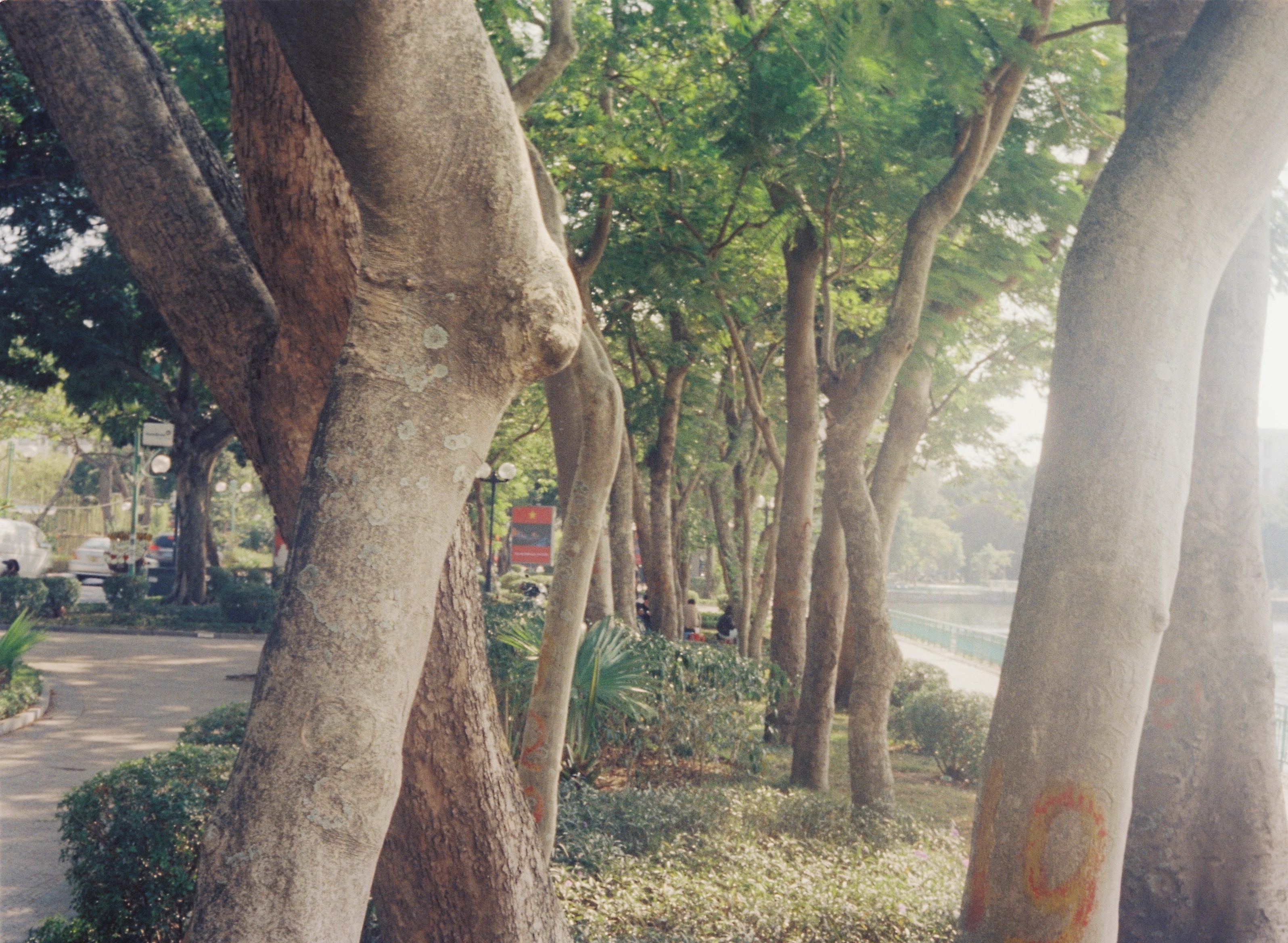
If you’re a middle-aged or older person born and raised in Hanoi, you have seen drastic changes on a scale simply incomprehensible to the millennial. Many of the schools, for example, were founded in 1975, the year the bombings ceased in the American War, and celebrated their fiftieth anniversaries last year. For me, arriving from a small English village with the temperament of a domesticated cat – in a constant state of unease, waltzing around the dusty streets like Basil Fawlty – this city in flux revealed inexhaustible sources of surprise, and gifted me a guide to living that I have never departed from.
This way of engaging with the city and the world would not have happened without the constraints of that summer and its location. The time respected what I gave to it. To leave the city for a more comfortable climate would have denied the immersion that cultivated this experience. I never met a single Hanoian dwelling on the past; it is all about the here and now.
It was here that I left port, and Periplum was born.
Words and photography by Jonny Mumby.


Leave a Reply